Adventure Sports Safety in Rishikesh
How we keep you safe — certifications, gear, guides and guidelines.

Rishikesh runs a lot of adventure activity, most of it well. This page explains how the safety side actually works, what we check before we book you onto something, and — more usefully — what you should check yourself.
The honest summary: the regulated activities here are genuinely regulated. Rafting operates under licensing with a seasonal administrative suspension that nobody can override, and the fixed-platform jumps work to weight and age limits that are checked rather than estimated. Where risk creeps in is at the edges — an unlicensed camp, a worn rental bike, or a visitor who did not disclose a medical condition.
Triveni books through licensed operators rather than running the towers and the rafts itself. That shapes what we can promise: we can tell you who is licensed and what the limits are, and we can refuse to book you onto something that is wrong for you.
Nobody — but if you have a medical condition and were planning to mention it on the waiver, read this page first and tell us at the booking stage instead.
What is checked before you go
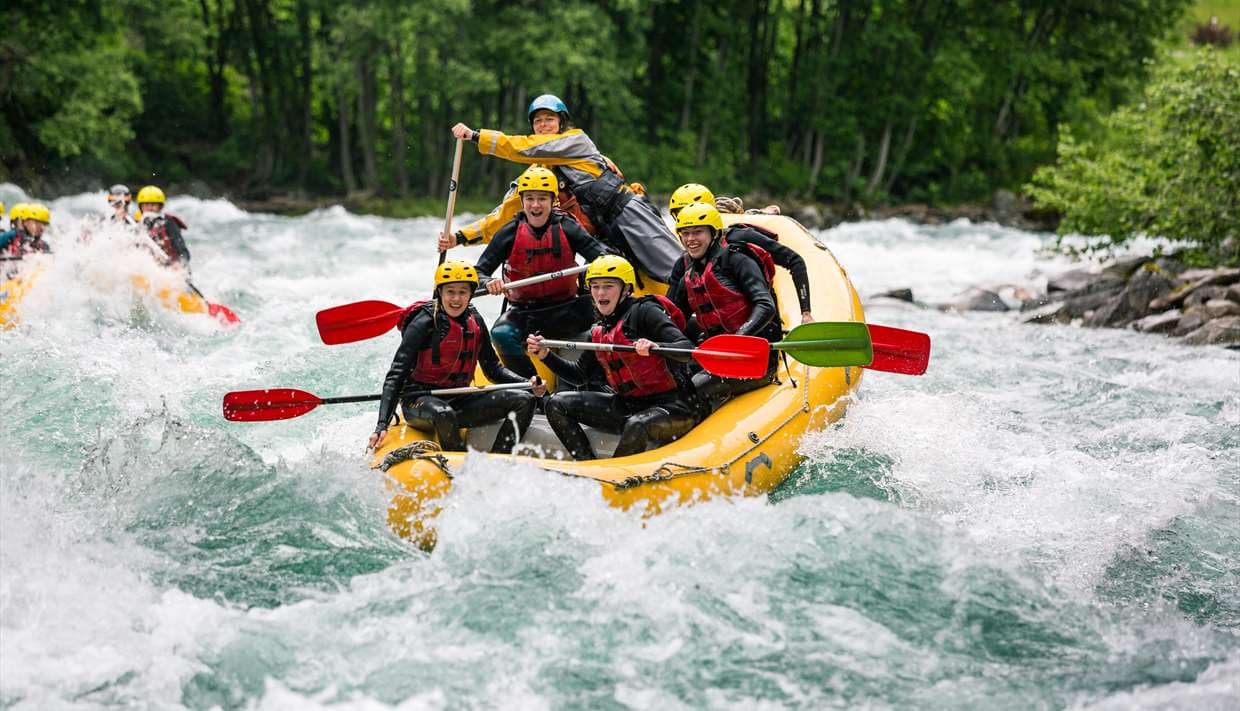
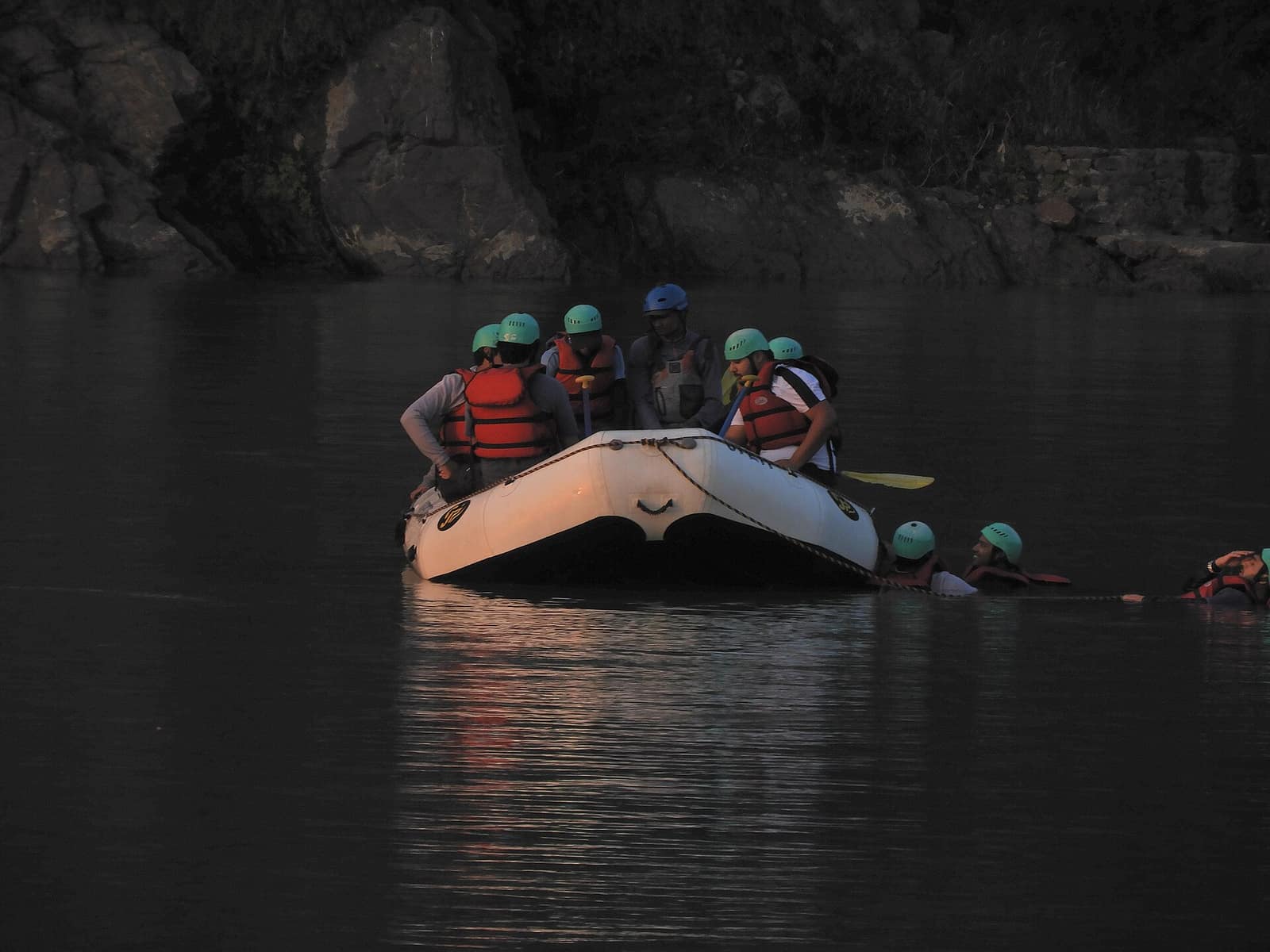
Rafting: certified guides, life jacket and helmet for every person, safety-kayak support on the stretch, and a briefing before launch that rehearses what to do if you go in the water. The minimum age is 14 on every stretch and it is enforced.
Bungee and the giant swing: a weigh-in at check-in, a maximum of 110 kg, a minimum age of 12, and a health declaration covering heart conditions, blood pressure, epilepsy, neck and spinal injury, recent surgery and pregnancy. People are turned away at the desk, and that is the system working.
Height activities generally: harness fit rather than a published age for children, which is why we ask for ages and rough heights at the booking stage and confirm before you travel rather than at the gate.
The monsoon suspension, and what it tells you
Rafting stops every monsoon by administrative order, roughly from the end of June until the river drops in September. It is not a weather judgement made each morning and it cannot be bought around.
That matters as a test: an operator willing to put you on the Ganga during the suspension is telling you something about everything else they do. The same logic applies to anyone offering rafting to a twelve-year-old or a bungee to someone over the weight limit.
What you should check yourself
Disclose medical conditions honestly, and do it at the booking stage rather than on the waiver in front of a queue. Heart conditions, blood pressure, epilepsy, pregnancy, recent surgery and spinal or neck injury all matter, and nobody is judging you for having one.
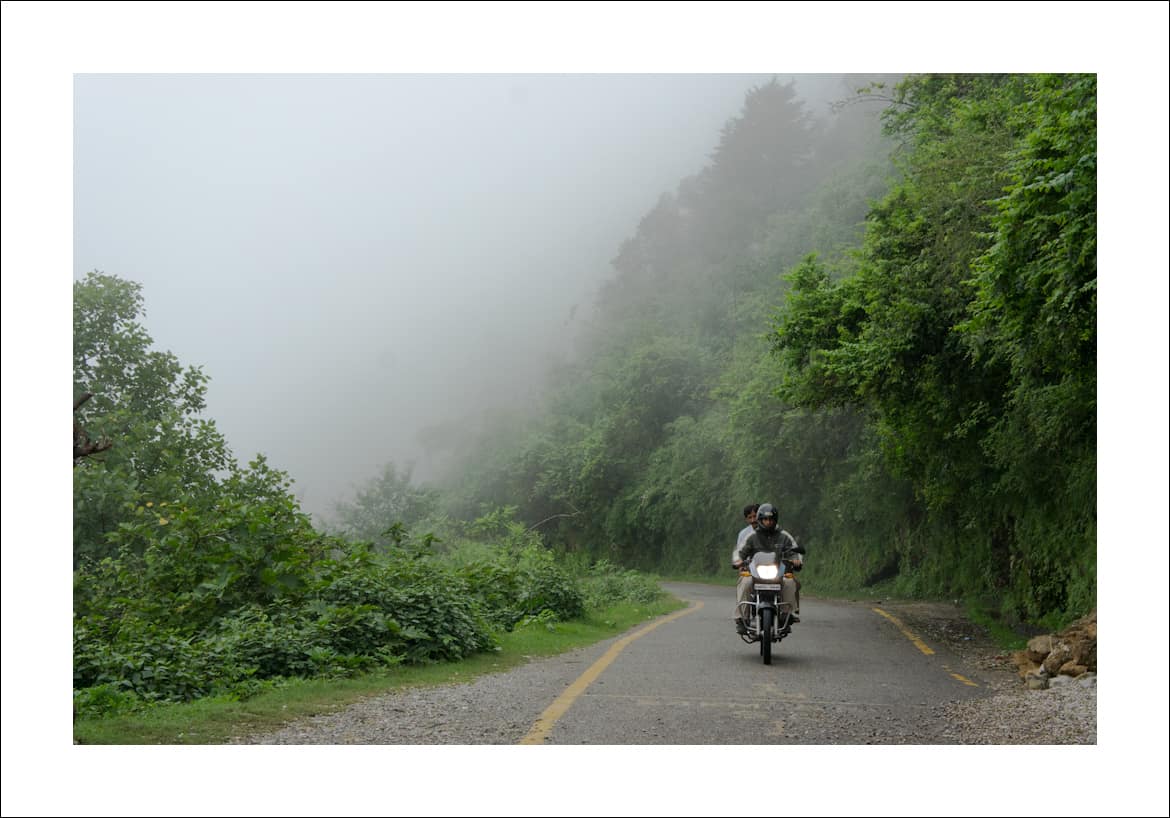
On a rental bike: registration papers, insurance, tyres and brakes, photographed before you ride away. Brakes and tyres are what matter on hill roads and are the first things to be tired at the end of a season.
At a camp: whether it is a licensed site, and whether it is set back from the river. Beach camping on these banks was stopped years ago — a tent on the sand is a sign to walk away.
In the water: swim where guides take you and not from the ghats. The Ganga here is fast and cold and the drownings that happen every year are almost all from the bank, not from rafts.
The things we will talk you out of
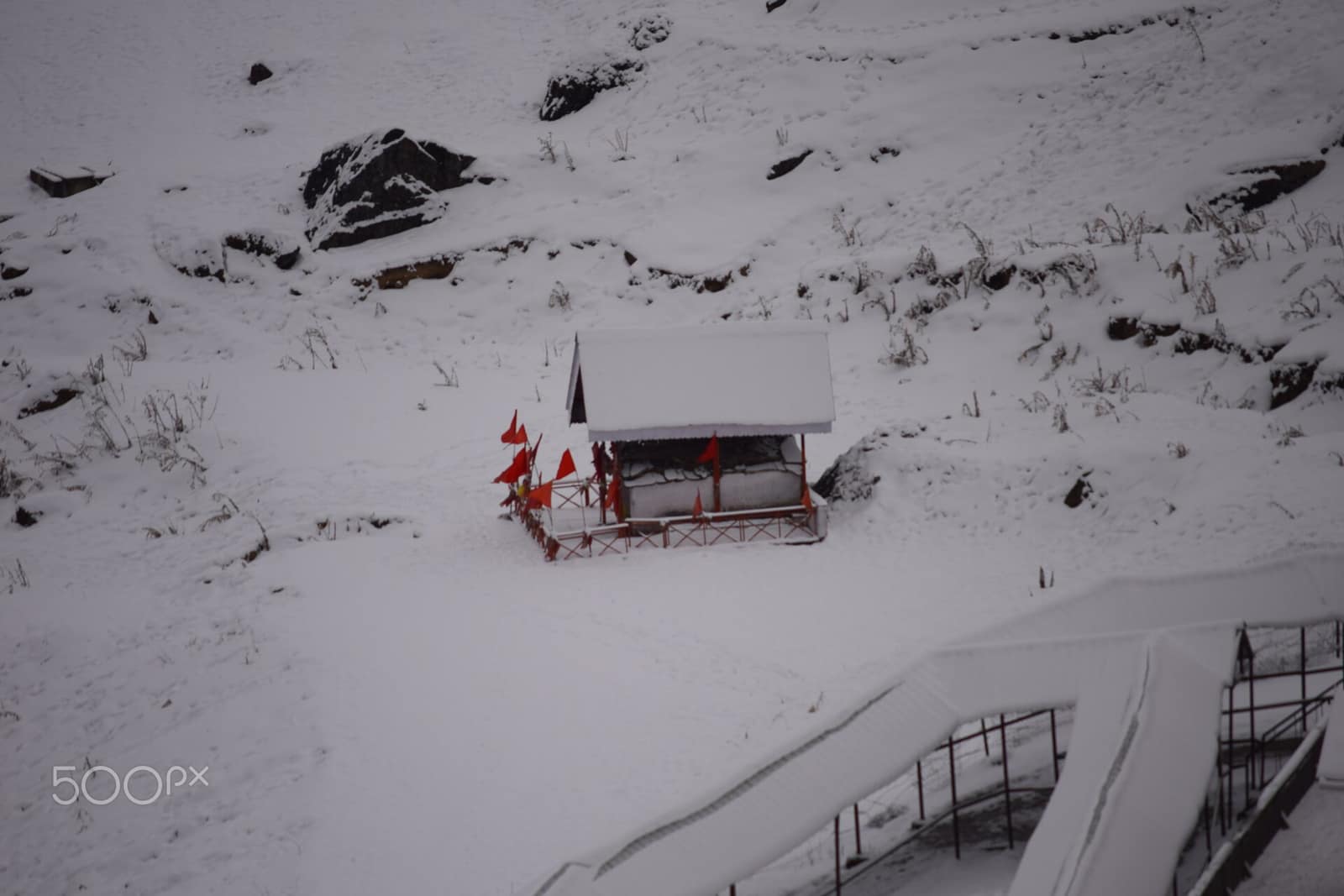
The 36 km Grade III–IV rafting stretch as a first-ever rafting trip. A CVT scooter for a long Himalayan descent, where the absence of engine braking is a genuine hazard. The Spiti bike tour as a first multi-day ride. Kedarnath's sixteen-kilometre trek without a plan for a pony or the helicopter.
None of those is dangerous in the right hands. All of them go wrong when matched to the wrong person, and matching is the part of this job that actually matters.
What to carry
Gallery


Frequently asked questions
The regulated activities are genuinely regulated — rafting runs under licensing with certified guides, mandatory jackets and helmets, safety-kayak support and a rehearsed briefing, and the fixed-platform jumps work to weight and age limits that are checked rather than estimated. Risk creeps in at the edges: unlicensed camps, worn rental bikes, and undisclosed medical conditions.
Where these details come from
Seasons, registration rules and temple dates are set by the authorities below and do change. Confirm them for your own dates before you travel.
The road half of the same question
This page is about how the activities are run safely. These are the equivalent pages for the vehicle and the driver that get you here.
- Delhi to Rishikesh cabPublished fares by vehicle
- Distance and drive timeRoute, stops and timing
- Dehradun airport transferNearest airport, about 20 km
- Rishikesh cab servicesGetting around once you are here
- Rishikesh sightseeingTemples, ghats and bridges by cab
- Weekend getaways from DelhiIf Rishikesh is one option among several
Journeys are booked with Triveni Cabs; the activity is booked here. Confirm the activity first — its reporting time decides when you need to travel.
More travel guides
Twenty-five guides to the questions people actually ask before booking — prices, seasons, age limits, and what goes wrong.