Best Time for River Rafting in Rishikesh
Month-by-month water levels, weather and what to expect on the Ganga.
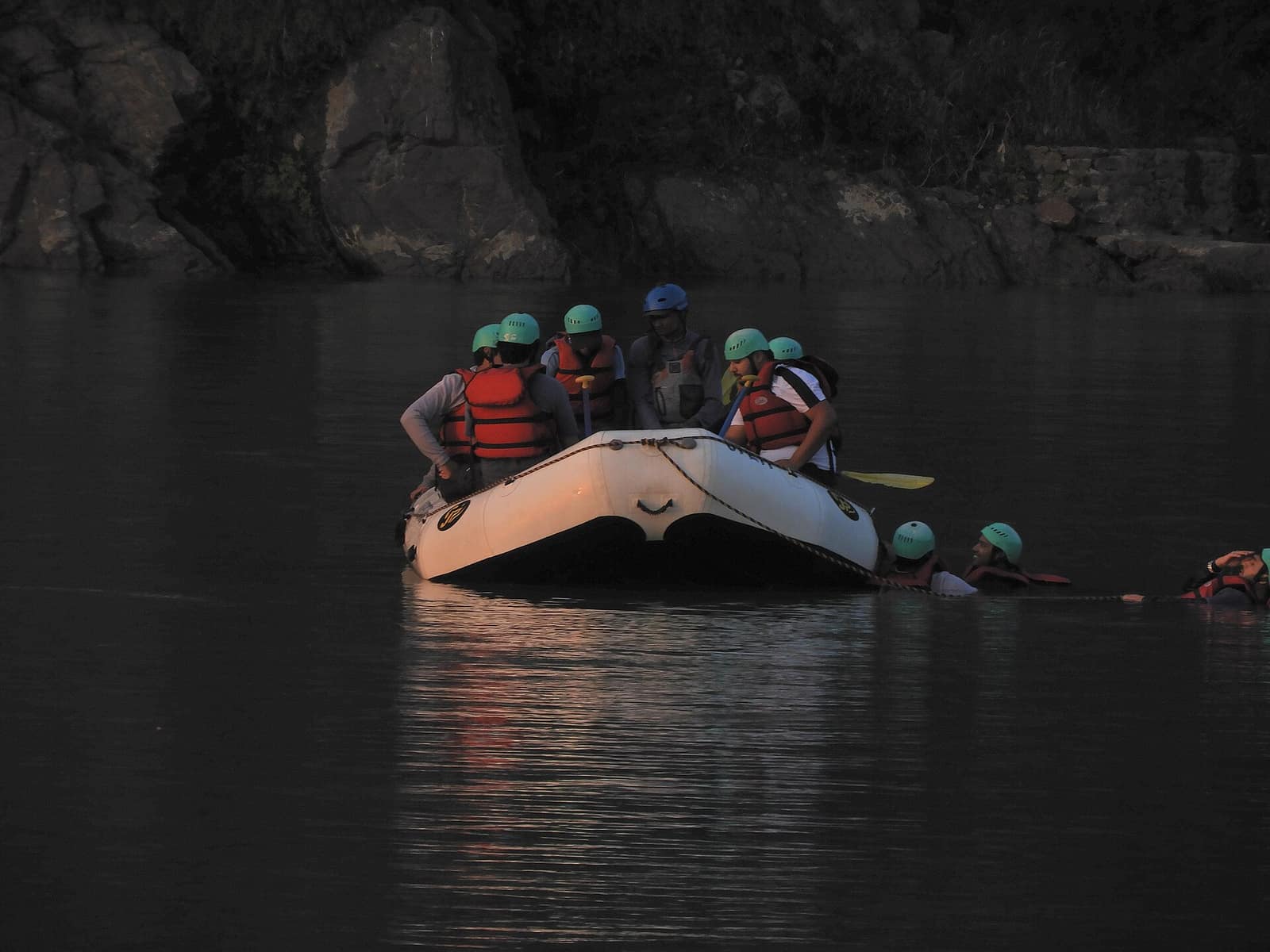
Rafting on the Ganga here runs from roughly September to June, and stops for the monsoon. The suspension is administrative rather than an operator's weather call, and while it is in force nobody is rafting at any price.
Within the open season the river changes a great deal. October and November are the clearest and most pleasant months with good water. December to February is cold — genuinely cold, and a wet three hours in January is a different experience from a wet three hours in April. March to June is warm, lower-water and the best time for swimming and the cliff jump.
If you want one answer: October to early November, or March to April. Those are the windows where the water, the weather and the crowds are all reasonable at once.
Nobody — but if your dates fall inside the monsoon closure, this page will tell you so rather than selling you a trip that cannot run.
Month by month, roughly
September: the river reopens once levels drop, and the date moves every year because it follows the water rather than the calendar. Early September is often still closed.
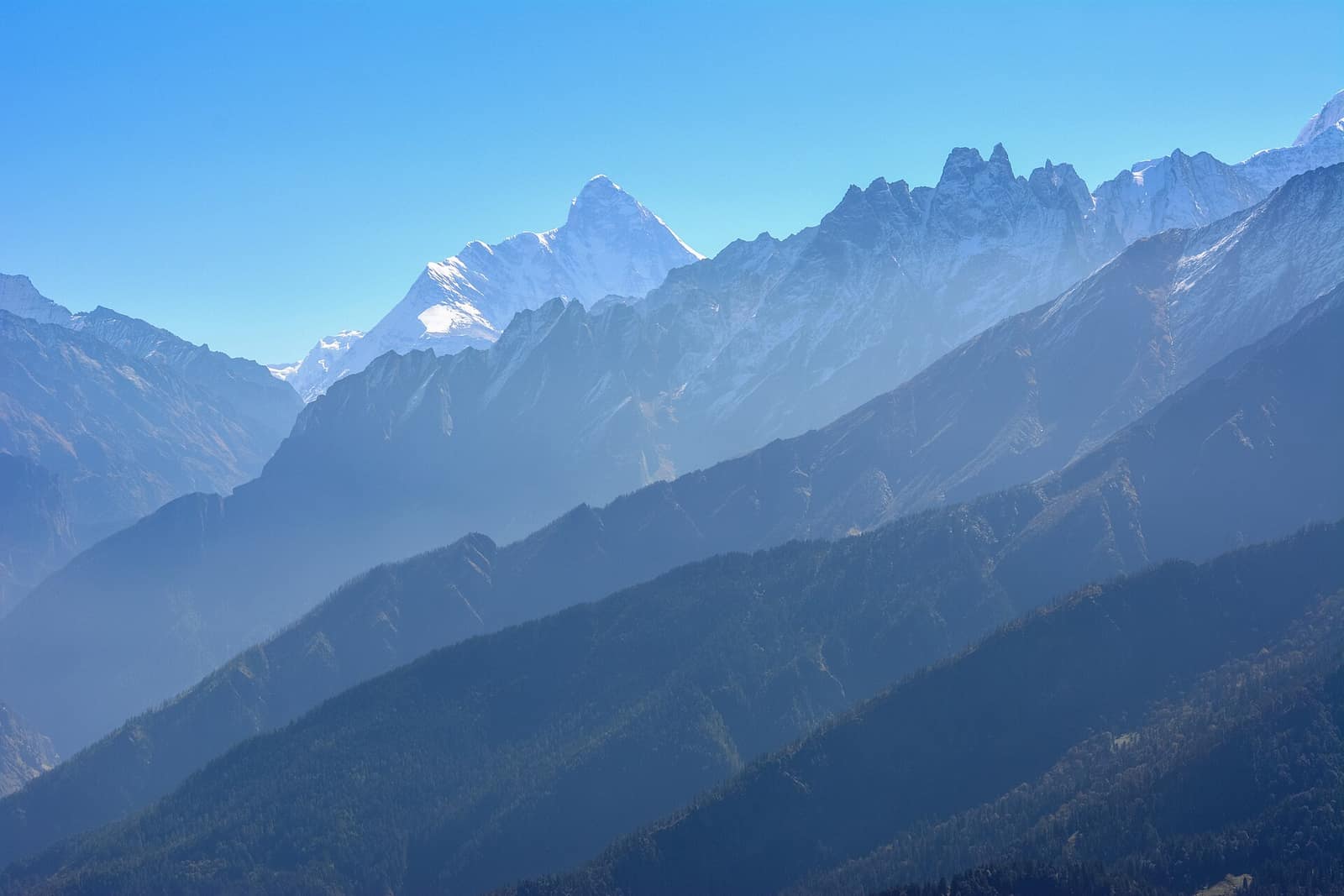
October and November: the best of the year. Strong water, clear air, comfortable temperatures, and the Himalaya visible on the drive up.
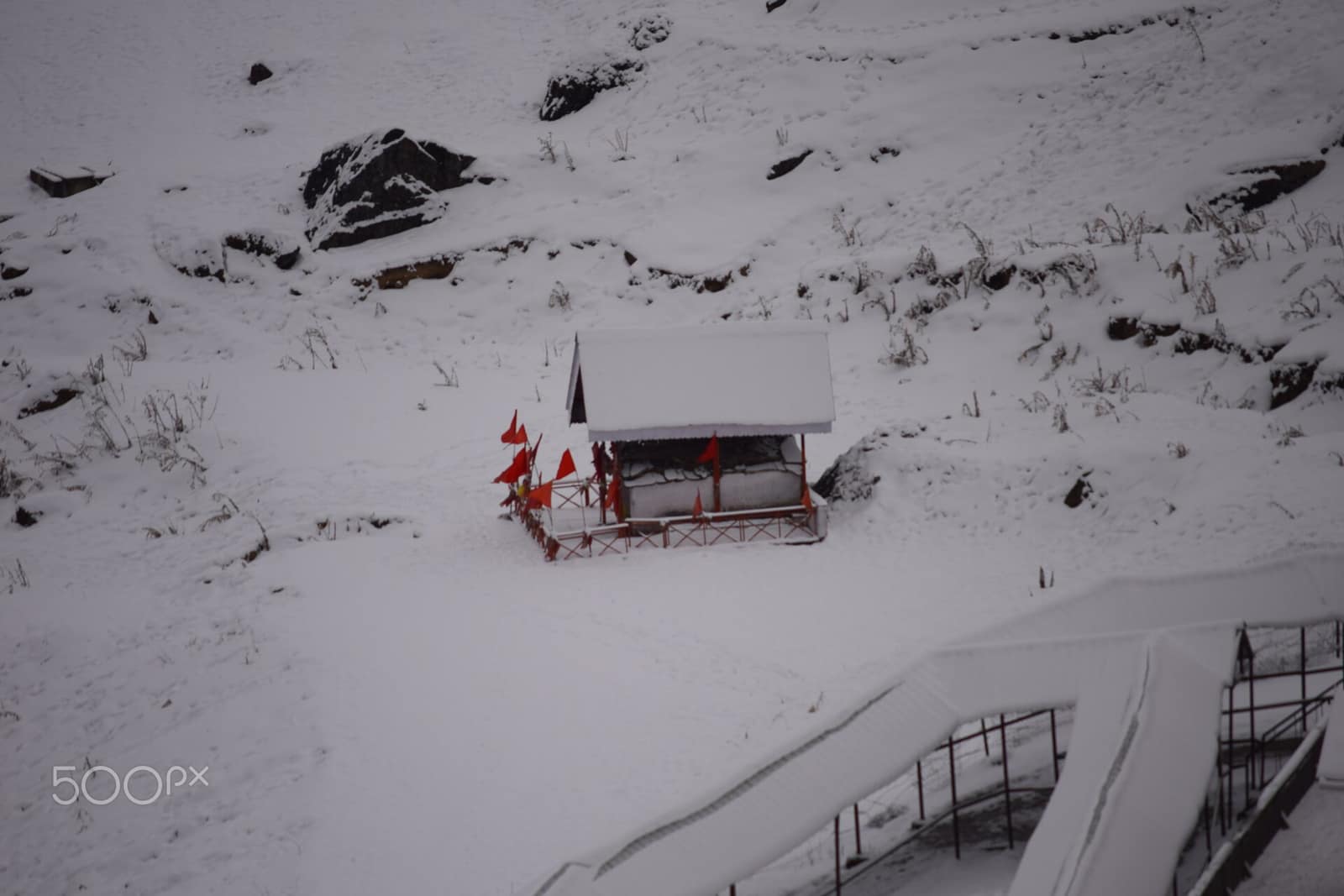
December to February: cold. The rafting still runs and the water is good, but you are wet for three hours in winter and the cliff jump and swim stops lose their appeal. Wetsuits are worth asking about.
March to June: warming up, water levels falling as the season goes on, and the best months for the swimming and body-surfing stops. June gets hot and the closure approaches.
July and August: closed. See below.
The monsoon closure
It is usually in place from around the end of June until the river drops in September, and the exact dates move each year because they follow discharge rather than the calendar. They are announced locally rather than well in advance.
What makes the monsoon unrunnable is not rain, it is volume. Rapids that are Grade III in October become something else entirely when the river carries several times the water, and the beaches used to launch and land disappear beneath it.
Anyone offering you a firm reopening date months ahead is guessing. Anyone offering you rafting during the suspension should be avoided.
What to do if your dates fall in the closure
Most of Rishikesh is not on the water. Bungee, the giant swing, zipline, flying fox and the rope courses all run through the monsoon subject to the day's weather.
Waterfall treks are at their best — Neer Garh is worth seeing when it is full rather than a trickle. Camping continues at sites above the river. And the town itself, the ghats and the aarti are unaffected.
What to carry
Gallery

Frequently asked questions
October to early November, or March to April. Those are the windows where water, weather and crowds are all reasonable at once. October and November have the strongest water and clearest air; March and April are warmer and better for the swim and cliff-jump stops.
Where these details come from
Seasons, registration rules and temple dates are set by the authorities below and do change. Confirm them for your own dates before you travel.
The same calendar, from the road
Water level decides the rafting. Weather and road condition decide the journey, and they do not line up exactly — these are the pages for the travel half.
- Best time to visit RishikeshThe same months from the road side
- Monsoon risk on hill roadsWhat the suspension months do to the drive
- Winter fog on the highwaysWhy a December drive starts late
- When the hills get snowIf you are going on from here
- Delhi to Rishikesh cabPublished fares by vehicle, 240 km
- Weekend getaways from DelhiIf the river is closed for your dates
Journeys are booked with Triveni Cabs; the activity is booked here. Confirm the activity first — its reporting time decides when you need to travel.
More travel guides
Twenty-five guides to the questions people actually ask before booking — prices, seasons, age limits, and what goes wrong.