Where to Stay in Rishikesh
Camps, hostels, resorts and ashrams — by area and budget.

Rishikesh divides into a few distinct areas and they suit completely different trips. Picking the wrong one is the most common planning mistake here, and it is entirely avoidable.
Tapovan, on the Laxman Jhula side, is where the cafes, yoga schools and most of the budget and mid-range rooms are — it is the travellers' Rishikesh and the default right answer for a first visit. Swarg Ashram and the Ram Jhula side is quieter, more devotional, largely vegetarian and alcohol-free. Muni Ki Reti and the main town is where the practical hotels and the bus and taxi stands are. And the camps are strung along the gorge road upstream, near the rafting.
If you are here for adventure and nightlife, stay in Tapovan. If you are here for yoga or an ashram, stay across the river. If you are here to raft and camp, stay upstream and accept that you are 30 minutes from a cafe.
Nobody — this is the page to read before booking a room, since the area matters more than the property and it is the most common planning mistake here.
Tapovan and Laxman Jhula
The busiest and most useful area for a short trip — cafes, bakeries, rooftop restaurants, yoga schools, bike rentals and the widest choice of rooms in every price band.
It is also noisy in season and the lanes are tight. If you want to walk to dinner and hire a scooter in the morning, this is the place.
Swarg Ashram and Ram Jhula
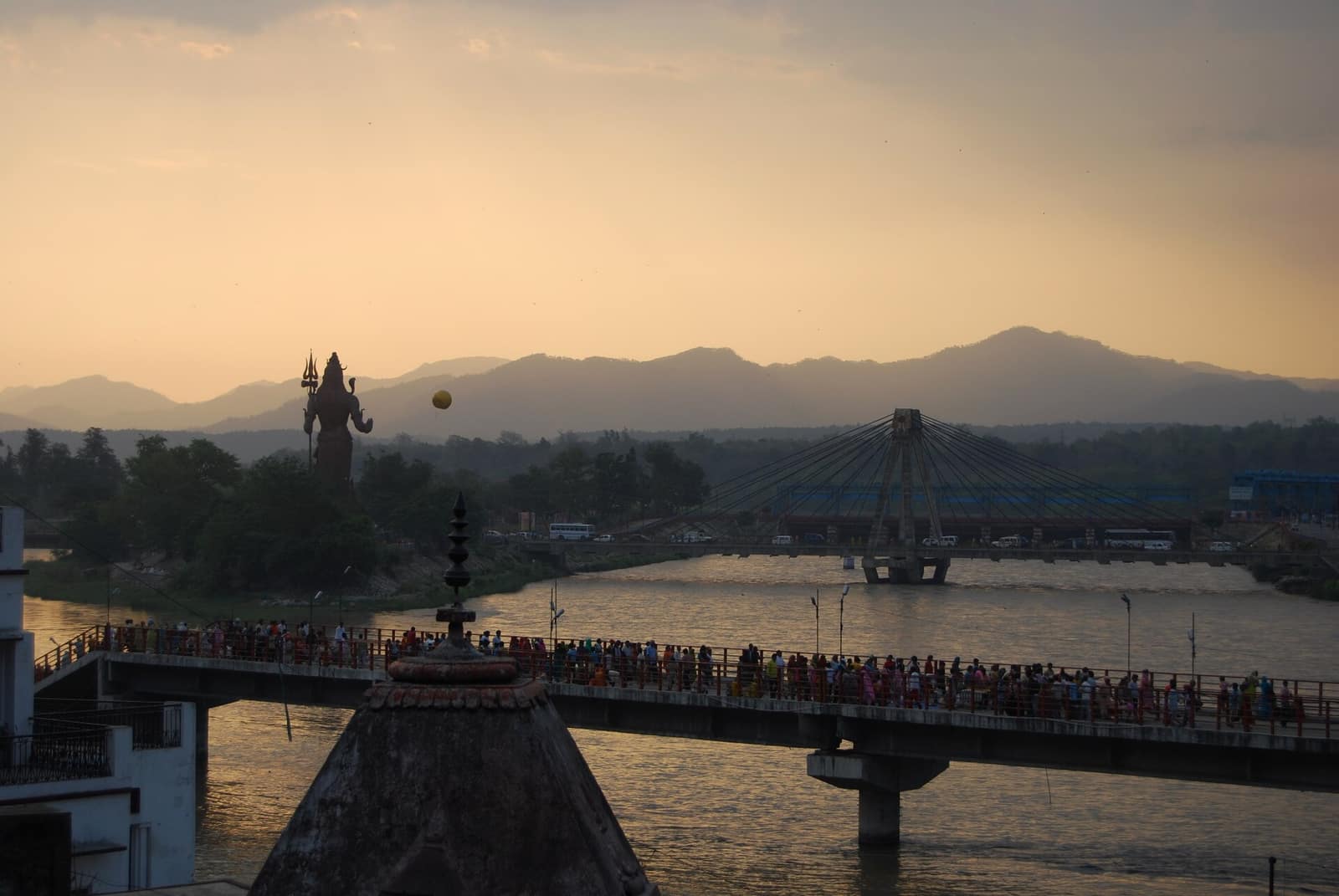
Quieter, more devotional, and the centre of the ashram scene. Vegetarian and alcohol-free by convention rather than by rule, which suits some visitors precisely and others not at all.
The ghats and the evening aarti at Parmarth are here, and so are the long-stay yoga courses. It is the right side of the river for a contemplative trip.
The camps upstream
Camps sit along the gorge road toward Shivpuri and Brahmapuri, set back and above the river — beach camping on these banks was stopped years ago, so anyone offering a tent on the sand is describing something that no longer exists.
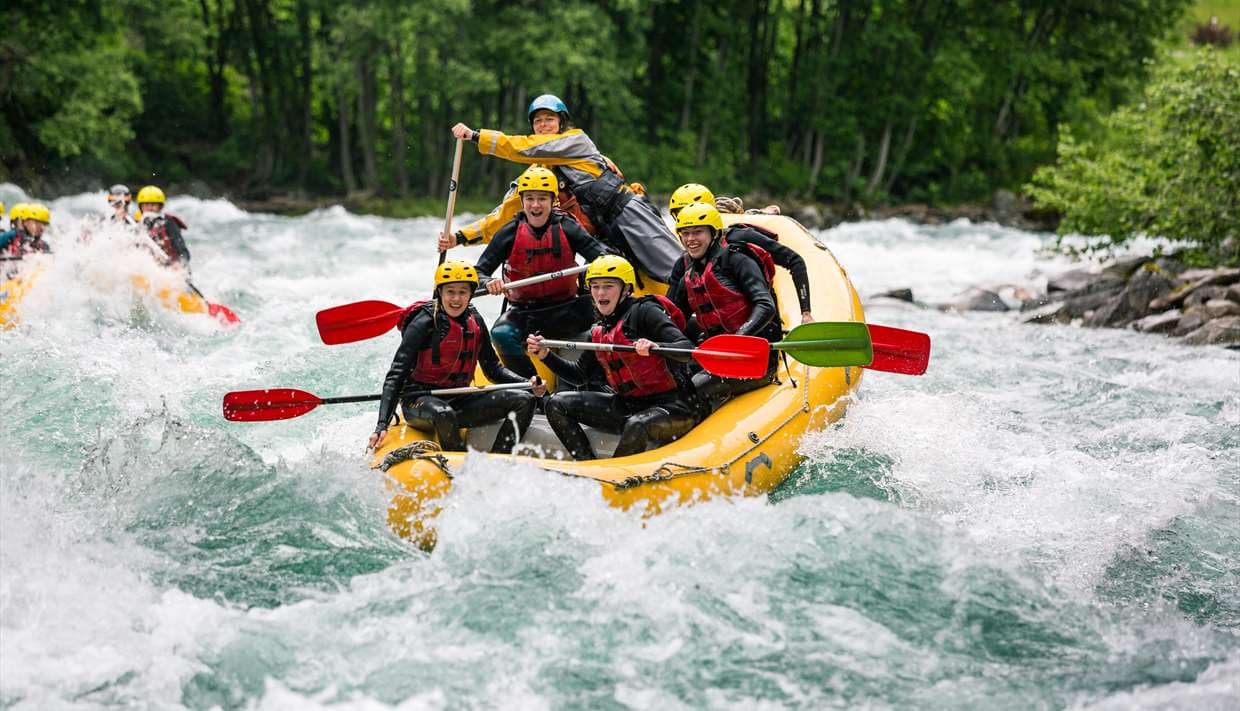
Staying at a camp puts you next to the rafting and a long way from everything else. For a one-night rafting-and-bonfire trip that is exactly right. For a four-day stay it means a drive every time you want a coffee.
Choosing by trip, not by rating
A rafting weekend: one night at a camp upstream, or Tapovan with transfers. A yoga fortnight: Swarg Ashram. A family trip with children: a hotel in Tapovan or Muni Ki Reti rather than a shared camp, and ask about attached bathrooms.
Tell us what the trip is for and we will say which area rather than which property. The area decision is the one that determines how the days actually work.
What to carry
Gallery


Frequently asked questions
Tapovan and the Laxman Jhula side for a first visit, adventure or nightlife — cafes, rentals and the widest choice of rooms. Swarg Ashram and Ram Jhula for yoga, ashrams and quiet, where it is vegetarian and alcohol-free by convention. A camp upstream if you are here to raft. Muni Ki Reti for practical hotels and transport links.
Reaching your stay
Wherever you book, the drop is included in the cab fare. Send the property's map location when booking — some riverside camps are not reachable by a large vehicle.
- Delhi to Rishikesh cabPublished fares by vehicle, 240 km
- One-way or round tripWhich works out cheaper for your dates
- Jolly Grant airport transferThe nearest airport, between here and Dehradun
- Distance and drive timeRoute, stops and how long it really takes
- Toll estimatePlaza-by-plaza planning figure
- Tempo traveller for groups12 to 26 seats
Journeys are booked with Triveni Cabs; the activity is booked here. Confirm the activity first — its reporting time decides when you need to travel.
More travel guides
Twenty-five guides to the questions people actually ask before booking — prices, seasons, age limits, and what goes wrong.