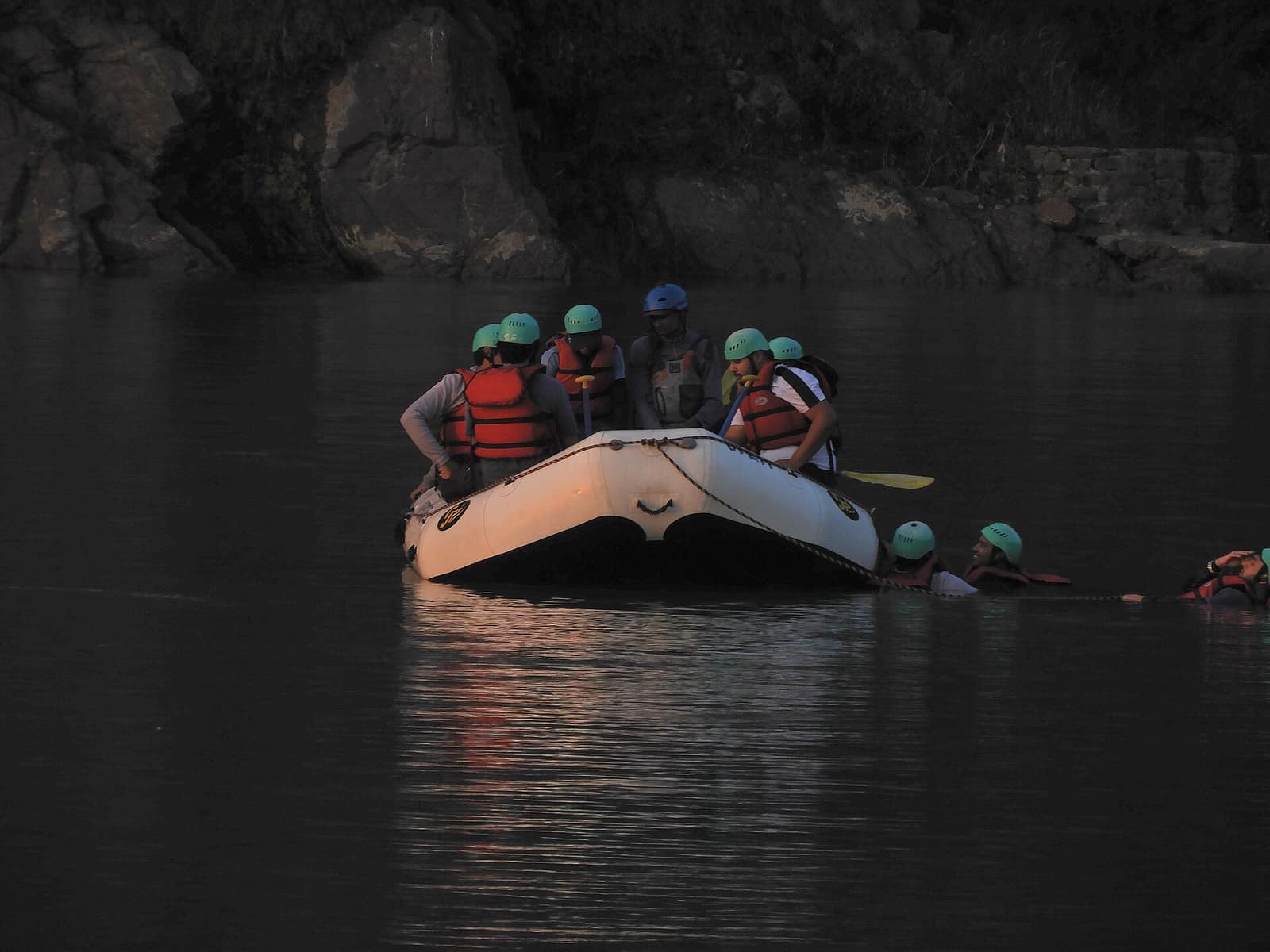
Is Rafting Safe If You Cannot Swim?
The honest answer, what the life jacket actually does, and the one part you can decline.
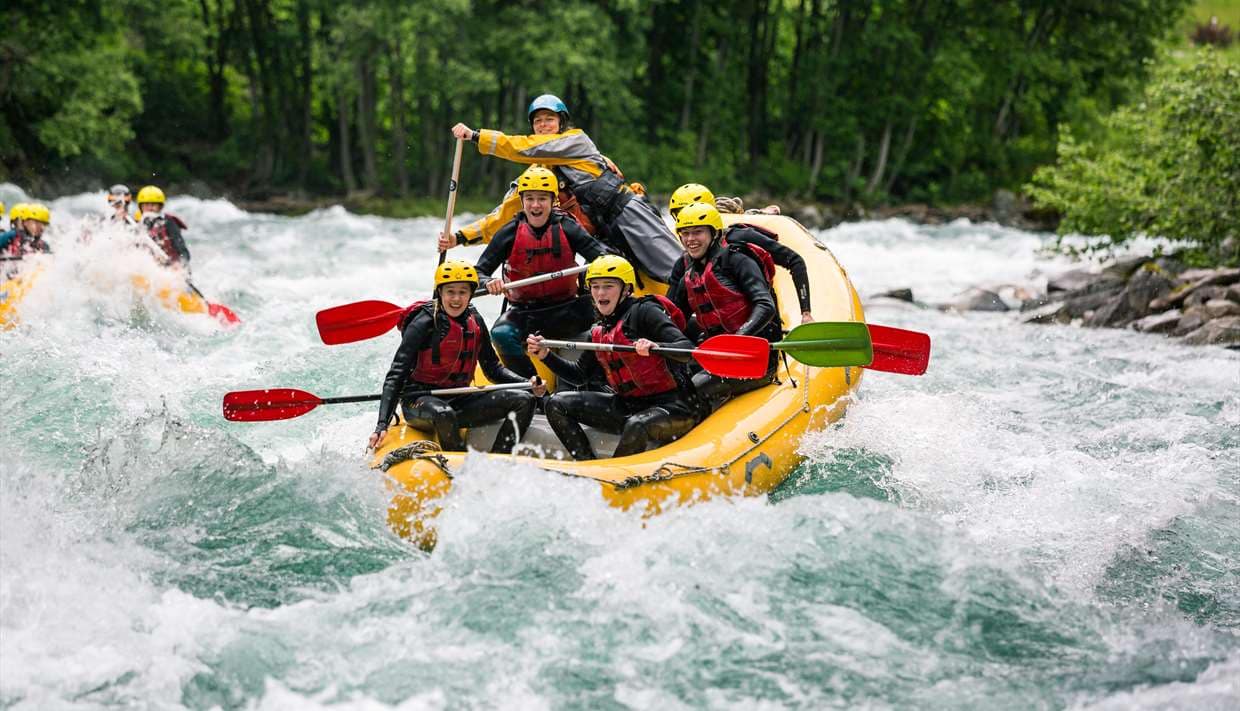
You do not need to be able to swim to go rafting at Rishikesh. Most people in most rafts cannot, and the trip is built on that assumption rather than around it.
The reason is the life jacket. A properly fitted jacket does not keep you level and treading water — it floats you on your back with your face clear, which is a position you hold without doing anything. Swimming ability changes how comfortable you feel, not whether you float.
That said, two things are worth knowing before you commit, and no amount of reassurance replaces them: you will probably get wet, and you may end up in the water whether you planned to or not.
Anyone whose fear of water is strong enough that being tipped in would cause panic rather than a fright. A life jacket solves buoyancy, not that — and a panicking passenger is the one genuine hazard on a commercial raft.
Quick facts
What happens if you come out of the raft
It happens, it is not an emergency, and it is covered in the briefing before you launch. You float, you keep your feet up rather than trying to stand, and you let the guide or the safety kayak come to you. The thing that causes problems is trying to swim to the bank or stand up in moving water, which is exactly what untrained instinct tells you to do.
Every trip runs with a safety kayaker whose only job is this. On the commercial stretches the river has long calm sections between rapids, which is where a recovery happens.
The part you can decline
Body surfing and cliff jumping are optional add-ons on the standard stretches, and they are the parts that genuinely involve being in the water on purpose. You can say no to both and still do the whole raft.
Say it to the guide at the start rather than at the moment, and nobody will make a thing of it. Groups talk each other into these, which is fine for people who want to be talked into them and not fine for anyone else.
Which stretch to pick
If not swimming is making you hesitate, start on the 9 km Brahmapuri run. It has three or four rapids at Grade I–II, long flat stretches, and it is the trip families and first-timers are put on.
The 16 km Shivpuri stretch is the popular one and is still well within reach for a non-swimmer, with bigger rapids. The 26 km and 36 km runs are for people who already know they like this.
What to carry
Gallery


Frequently asked questions
No. The life jacket does the floating for you, and the majority of people on the river cannot swim. Tell your guide at the briefing so they can seat you accordingly.
Getting here and getting around
Arrival and local transport are run by Triveni Cabs. These pages carry the fares and journey times.
- Delhi to Rishikesh cabPublished fares by vehicle
- Distance and drive timeRoute, stops and timing
- Dehradun airport transferNearest airport, about 20 km
- Rishikesh cab servicesGetting around once you are here
- Rishikesh sightseeingTemples, ghats and bridges by cab
- Weekend getaways from DelhiIf Rishikesh is one option among several
Journeys are booked with Triveni Cabs; the activity is booked here. Confirm the activity first — its reporting time decides when you need to travel.