Rafting Rapid Grades, Explained
What Grade I to Grade IV actually means on the Ganga, and which stretch holds which.
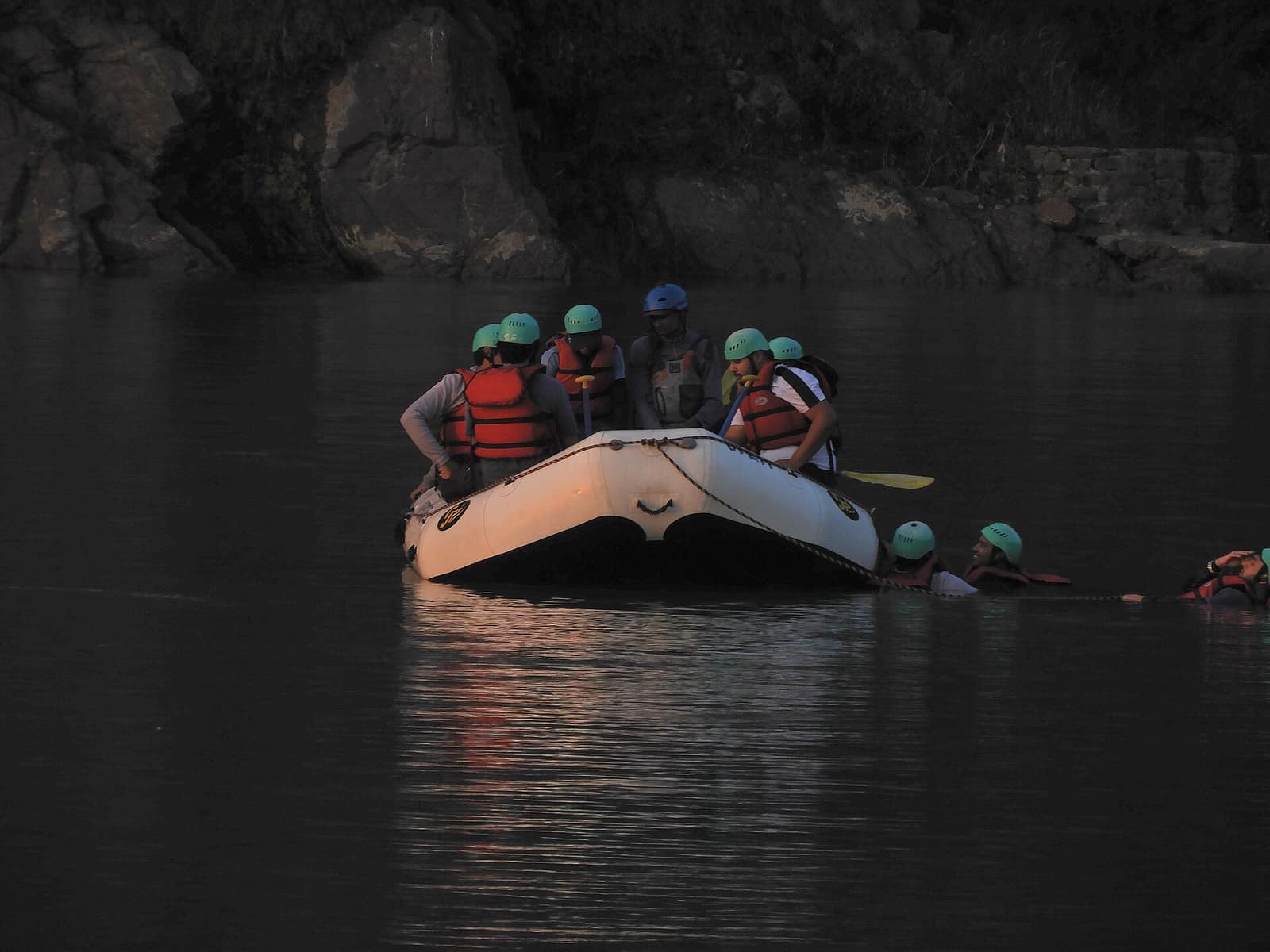
Rapids are graded on an international scale from I to VI. The commercial stretches at Rishikesh run Grade I to Grade IV, and the difference between the ends of that range is much larger than the numbers suggest.
The grade is not a measure of how frightening a rapid looks. It describes how technical the water is — how much the raft has to be actively steered, how long the consequences of a mistake last, and how hard a recovery is. A Grade II rapid can soak everyone aboard and still be a Grade II.
Grades also move with the water level. The same feature can be a comfortable Grade II in late October and a serious Grade III in March, which is why a stretch is quoted as a range rather than a single number.
Quick facts
What each grade means in the boat
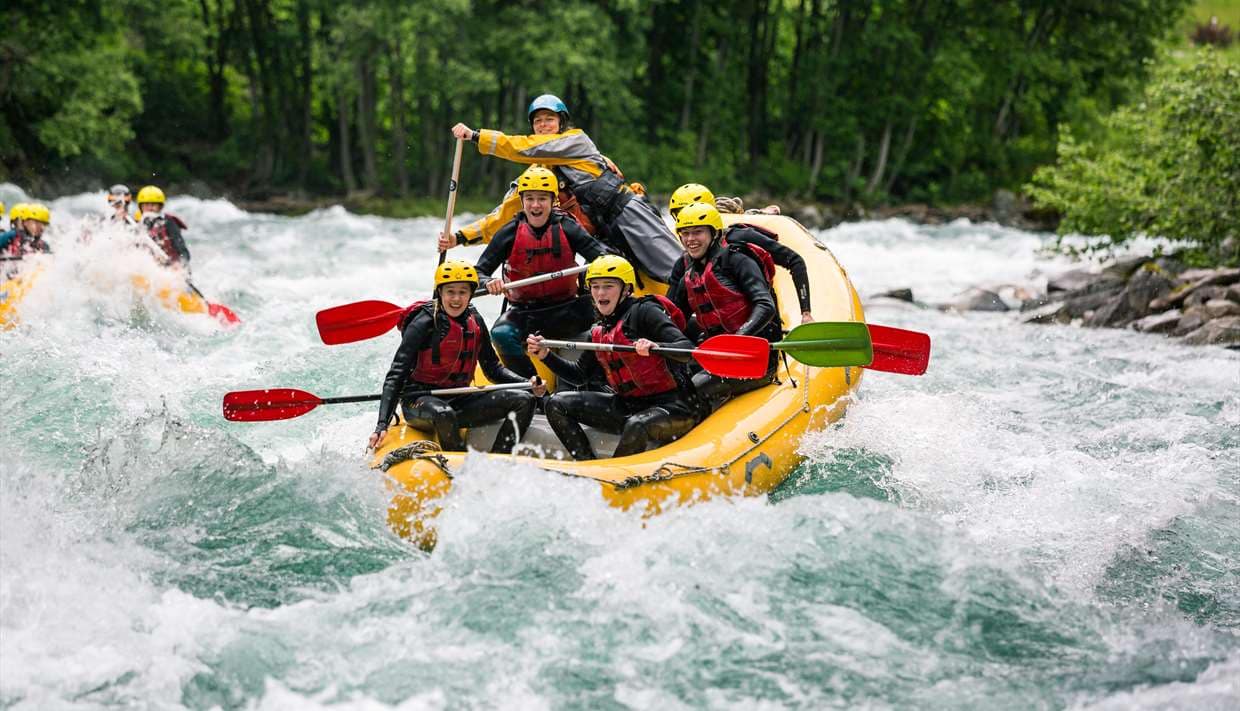
Grade I is moving water with small waves and a clear path through. You get splashed and the guide barely works. Grade II has defined waves and rocks that need avoiding, with wide obvious channels — this is where most first-timers spend their day.
Grade III is where it starts to feel like whitewater: irregular waves big enough to swamp a raft, a route that has to be picked correctly, and paddling that has to be on command rather than enthusiastic. Grade IV is powerful and continuous, with a line that must be hit and a recovery that is genuinely hard work.
Grade V and VI exist and are not run commercially here. If somebody offers you one, they are selling the number rather than the river.
Which stretch holds which
The 9 km Brahmapuri run is Grade I–II — three or four rapids, long flat water, the family trip. The 16 km Shivpuri stretch is Grade II–III and includes the two rapids everybody has heard of, Roller Coaster and Golf Course; it is the default for a reason.
The 26 km run from Marine Drive adds mileage and more Grade III. The 36 km from Kaudiyala is the full day and the only commercial stretch touching Grade IV, including The Wall and Daniel's Dip. That one is not a first rafting trip.
Picking by grade rather than by distance
Most people choose a stretch by its length, which is the wrong axis. The 36 km is not simply more of the 16 km — it is harder water with a different level of commitment, and a full day in the raft rather than a couple of hours.
If you want the most whitewater you can comfortably handle on a first trip, that is the 16 km. If you want distance and scenery over difficulty, the 26 km gives both. Tell us which of those you are actually after and we will point you at the right one.
What to carry
Gallery


Frequently asked questions
Grade I to Grade IV, depending on the stretch. The 9 km run is I–II, the 16 km is II–III, the 26 km is mostly III, and the 36 km from Kaudiyala reaches Grade IV.
Getting here and getting around
Arrival and local transport are run by Triveni Cabs. These pages carry the fares and journey times.
- Delhi to Rishikesh cabPublished fares by vehicle
- Distance and drive timeRoute, stops and timing
- Dehradun airport transferNearest airport, about 20 km
- Rishikesh cab servicesGetting around once you are here
- Rishikesh sightseeingTemples, ghats and bridges by cab
- Weekend getaways from DelhiIf Rishikesh is one option among several
Journeys are booked with Triveni Cabs; the activity is booked here. Confirm the activity first — its reporting time decides when you need to travel.