Rishikesh Travel Guide
Everything a first-timer needs — itineraries, tips, food and culture.

Rishikesh is two towns in one. On the Laxman Jhula side it is cafes, yoga schools, bike rentals and travellers; on the Ram Jhula and Swarg Ashram side it is ashrams, ghats and the evening aarti. Up the gorge road it is a third thing again — rafting camps and adventure sites.
A first visit needs two full days to take in all three without rushing. Three is comfortable. One is the drive plus a single activity, which plenty of people do and most of them wish they had stayed longer.
The single most useful planning fact: rafting is suspended through the monsoon, roughly from late June until the river drops in September. Everything else runs. If your dates fall inside that window, plan a different trip rather than a disappointing one.
Nobody — but if rafting is the whole reason for your trip and your dates fall between late June and September, read the rafting season page before you book anything.
A first-timer's two days
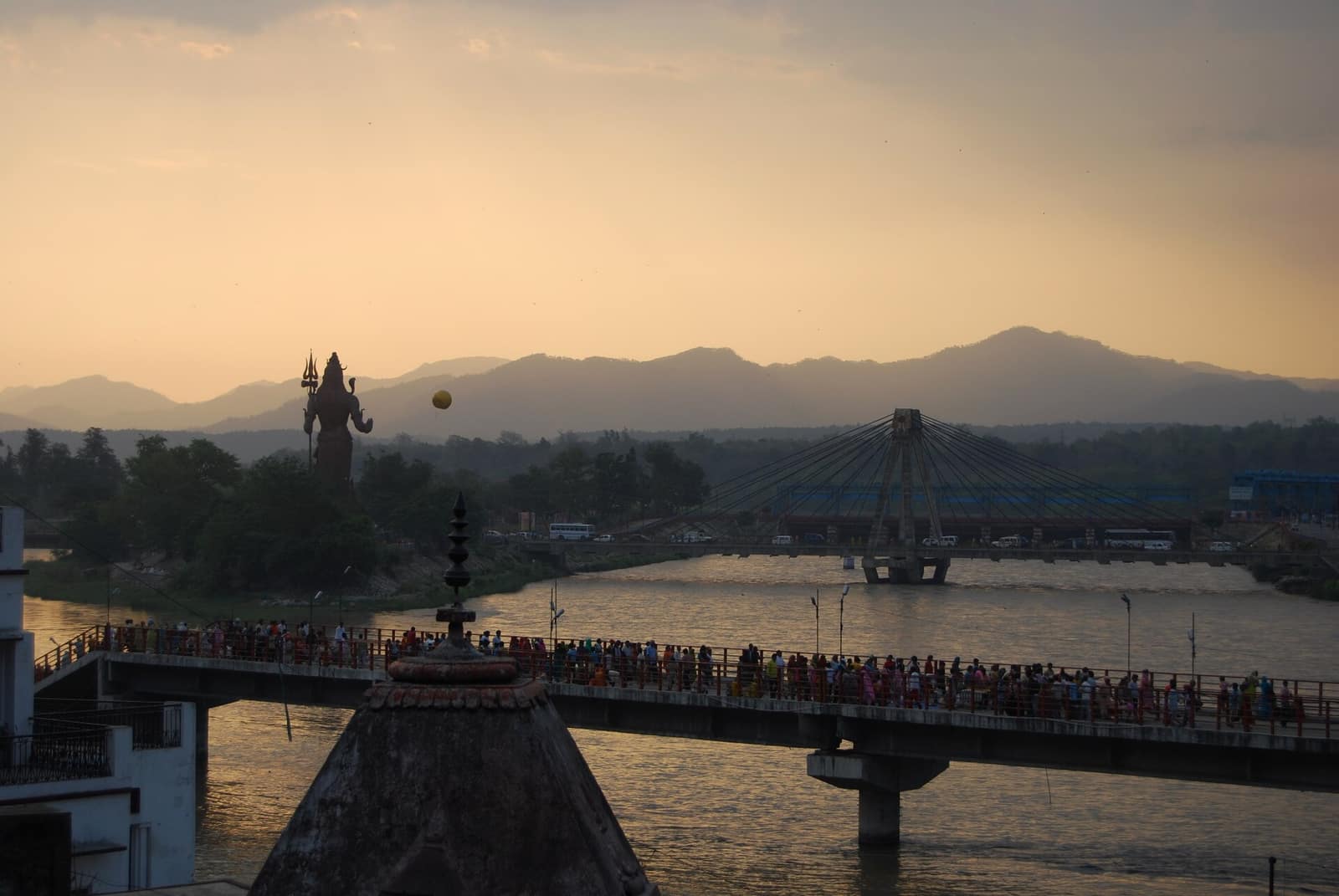
Day one: arrive, walk across Laxman Jhula, spend the afternoon in Tapovan's cafes, and cross to the Ram Jhula side for the evening aarti at Parmarth. That is the town, done properly, and it costs nothing.
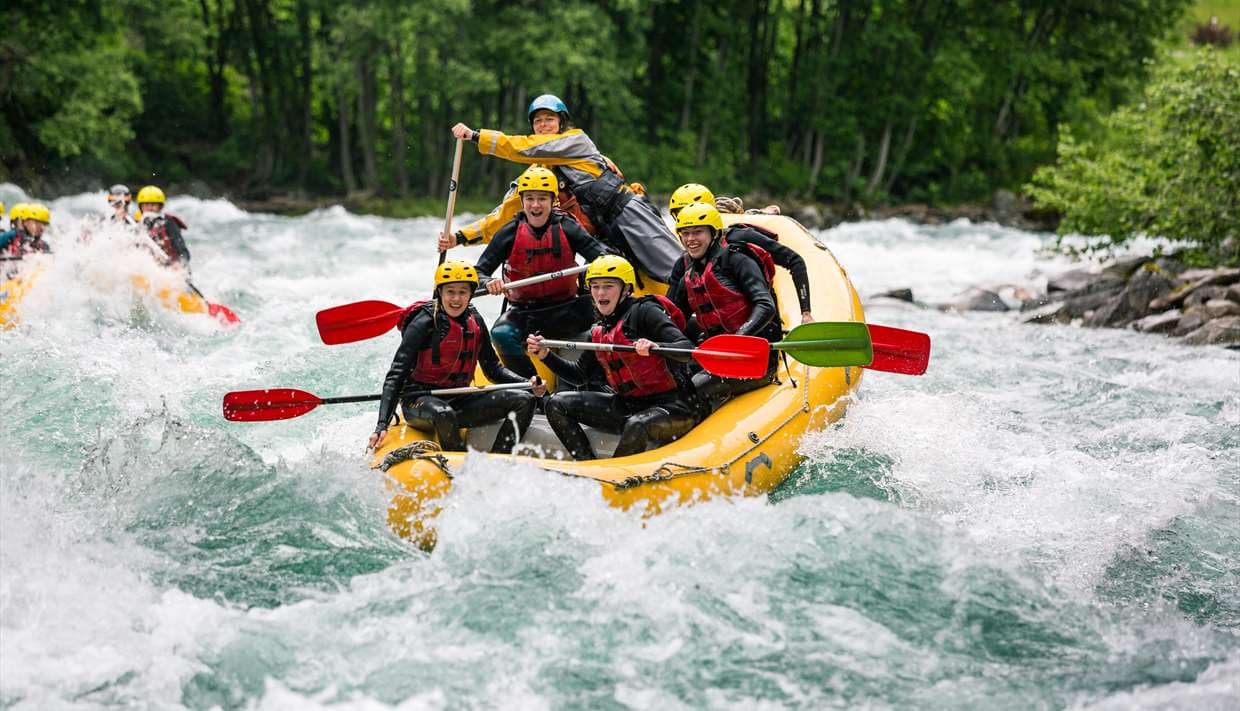
Day two: rafting in the morning — the 16 km from Shivpuri, which is the run worth doing — then an afternoon activity or the Neer Garh waterfall walk, and a camp night or a bonfire if you have one booked.
A third day adds either a height activity, the Haridwar aarti 25 km away, or simply not rushing.
What Rishikesh is genuinely good at
Whitewater rafting, which is the best in India at this accessibility, and the reason most people come.
The town's two halves and the contrast between them — a cafe in Tapovan and an aarti at Parmarth on the same evening is the thing visitors remember.
Yoga, in both the serious and the touristic senses. There are long-standing teaching institutions here alongside a great many week-long courses, and the difference between the two is worth researching before you pay.
Being a base. The Char Dham shrines, Chopta, Haridwar, Mussoorie and Dhanaulti are all reachable from here, which is why the yatra traditionally starts in Rishikesh.
Food, drink and the local conventions
Rishikesh is vegetarian and alcohol-free by convention across much of the town, and strictly so on the ashram side. Tapovan's cafes are the exception in character but not generally in licensing.
Dress modestly at the ghats, temples and ashrams, which are working religious places rather than attractions. Shoes come off and there are places to leave them.
The Ganga here is fast and cold, and people drown in it every year. Swim where the rafting guides take you and not from the ghats.
Seasons, in one paragraph each
October to November: the best of the year. Clear, comfortable, good water, mountains visible. It is also busy.
December to February: cold, quiet, and still fully operational apart from the comfort of being wet. Good for a town-and-aarti trip, harder for rafting.
March to June: warm, then hot. Best months for swimming and the cliff jump, and the last of the rafting before the closure.
July to mid-September: the monsoon. Rafting suspended, waterfalls at their best, landslide risk on the hill roads, and the town much quieter and greener.
What to carry
Gallery


Frequently asked questions
Two full days to see the town's two halves and do one proper activity without rushing; three to do it comfortably. One day is the drive plus a single activity — plenty of people do that and most wish they had stayed longer.
Where these details come from
Seasons, registration rules and temple dates are set by the authorities below and do change. Confirm them for your own dates before you travel.
Getting here and getting around
Arrival and local transport are handled by Triveni Cabs. These are the pages with the actual fares and journey times.
- Delhi to Rishikesh cabPublished fares by vehicle
- Distance and drive timeRoute, stops and timing
- Dehradun airport transferNearest airport, about 20 km
- Rishikesh cab servicesGetting around once you are here
- Rishikesh sightseeingTemples, ghats and bridges by cab
- Weekend getaways from DelhiIf Rishikesh is one option among several
Journeys are booked with Triveni Cabs; the activity is booked here. Confirm the activity first — its reporting time decides when you need to travel.
More travel guides
Twenty-five guides to the questions people actually ask before booking — prices, seasons, age limits, and what goes wrong.